Applied AI researchfor federalprograms.
An AI research company. Twelve years building what the Department of Defense and the Department of Energy ask for and cannot buy. Machine learning, cybersecurity, hyperspectral imaging, synthetic aperture radar, signal processing, metamaterials and hypersonics.
- Track record
- Twelve years · thirteen federal awards
- Agencies
- Navy · Air Force · DARPA · MDA · DHS · DOE
- Partners
- Lockheed Martin · Penn State · Idaho National Lab
- Vetting
- DCAA audited · HubZone · DOT and State of California
CyberNeuro-RT
Real-time network defense built on a hybrid supervised and unsupervised deep learning engine. The same models deploy on CPU, GPU or low-power neuromorphic chips, so detection runs in a cloud core or on a sensor at the edge.

CyberNeuro-RT is a second layer of defense. It runs alongside the perimeter tools already in place and is built to reduce the likelihood of an intrusion succeeding, and to surface the ones that do sooner. No security product can make an intrusion impossible, and we do not claim otherwise.
HPC-scale intrusion detection
Detects intrusions across high-performance computing networks with unparalleled efficiency.
Comprehensive attack coverage
Supports detection of known attack types including DoS, DDoS and ransomware.
Flexible deployment
Deployable across edge, hybrid or full cloud infrastructure to meet your needs.
Hybrid deep learning
Combines supervised and unsupervised deep learning for robust threat identification.
Dynamic AI model management
Real-time model updates and continuous retraining for evolving threats.
Intuitive security dashboards
Interactive dashboards provide clear insights for efficient security operations.
Vulcan Ventura
Three programs in RF sensing, navigation and radar autonomy.

RF Emitter Location
A compact onboard sensing package that locates and identifies radio-frequency emitters from unmanned aircraft, holding its accuracy in cluttered signal environments.
RF-Referenced Navigation
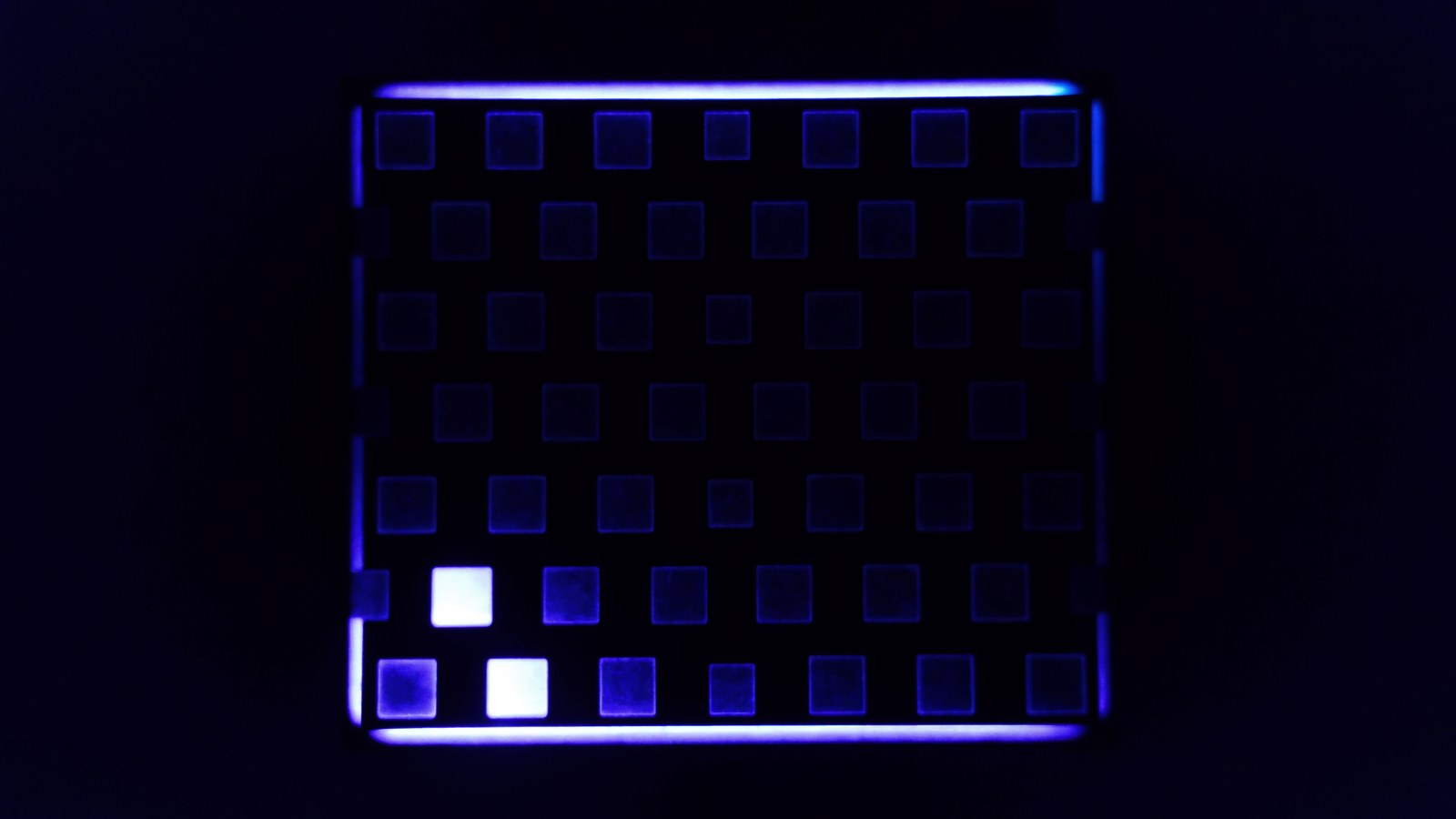
A compact phased-array system that uses existing radio transmissions as navigation references, giving fast-moving vehicles an independent source of position data.
Compact Radar for Autonomy
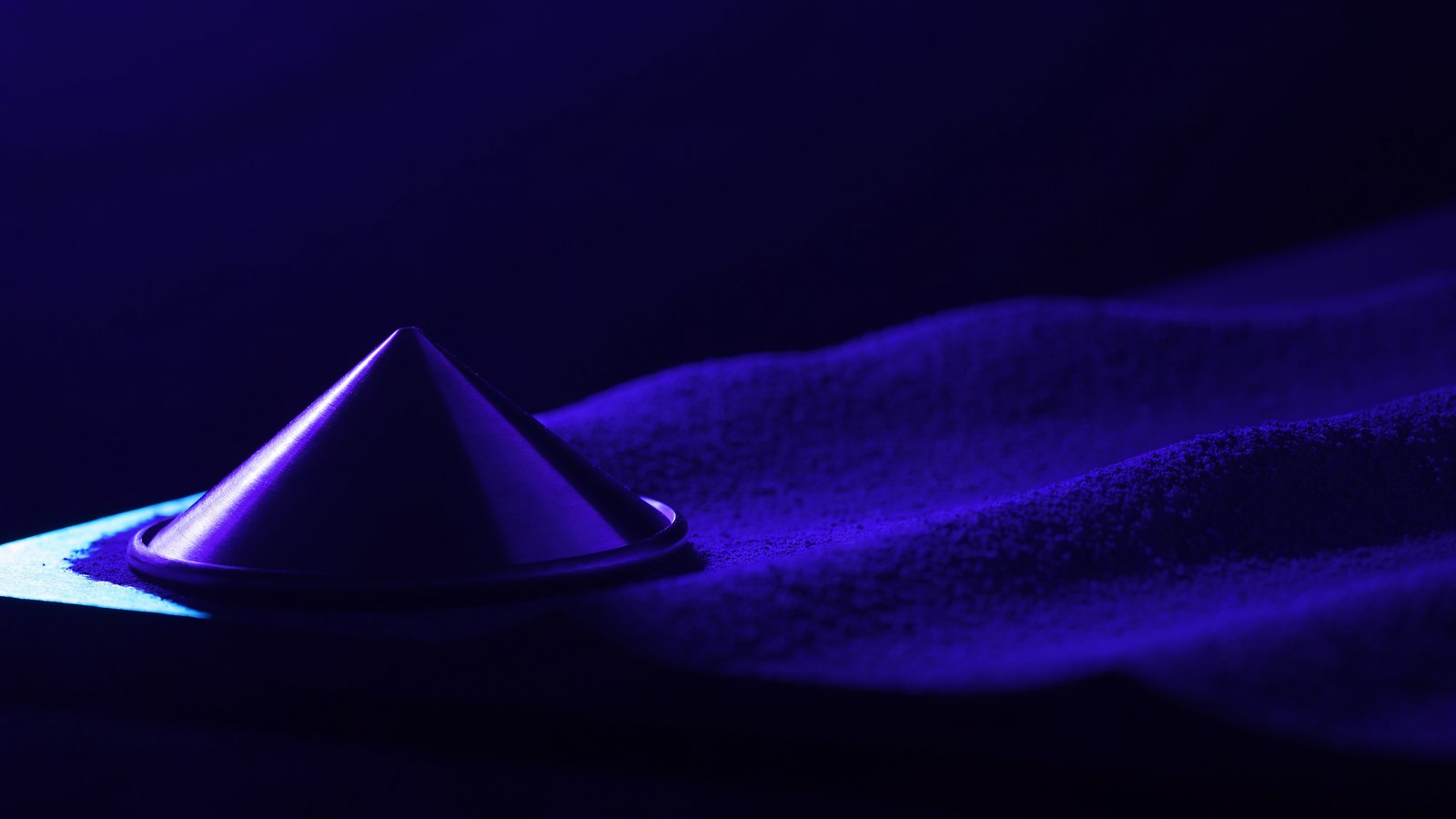
A low-cost radar sensing approach that gives autonomous vehicles perception and navigation where cameras and lidar fall short, in darkness, dust and poor light.
Three products, out of the federal programs behind them.
One product line, from real-time network defense through to source code.
CyberNeuro-RT
Real-time network intrusion detection on a hybrid supervised and unsupervised deep learning engine, deployable on CPU, GPU or neuromorphic silicon.
Read more →
CNRT Vanguard
Automated HPC-scale network anomaly monitoring and autonomous threat mitigation.
Read more →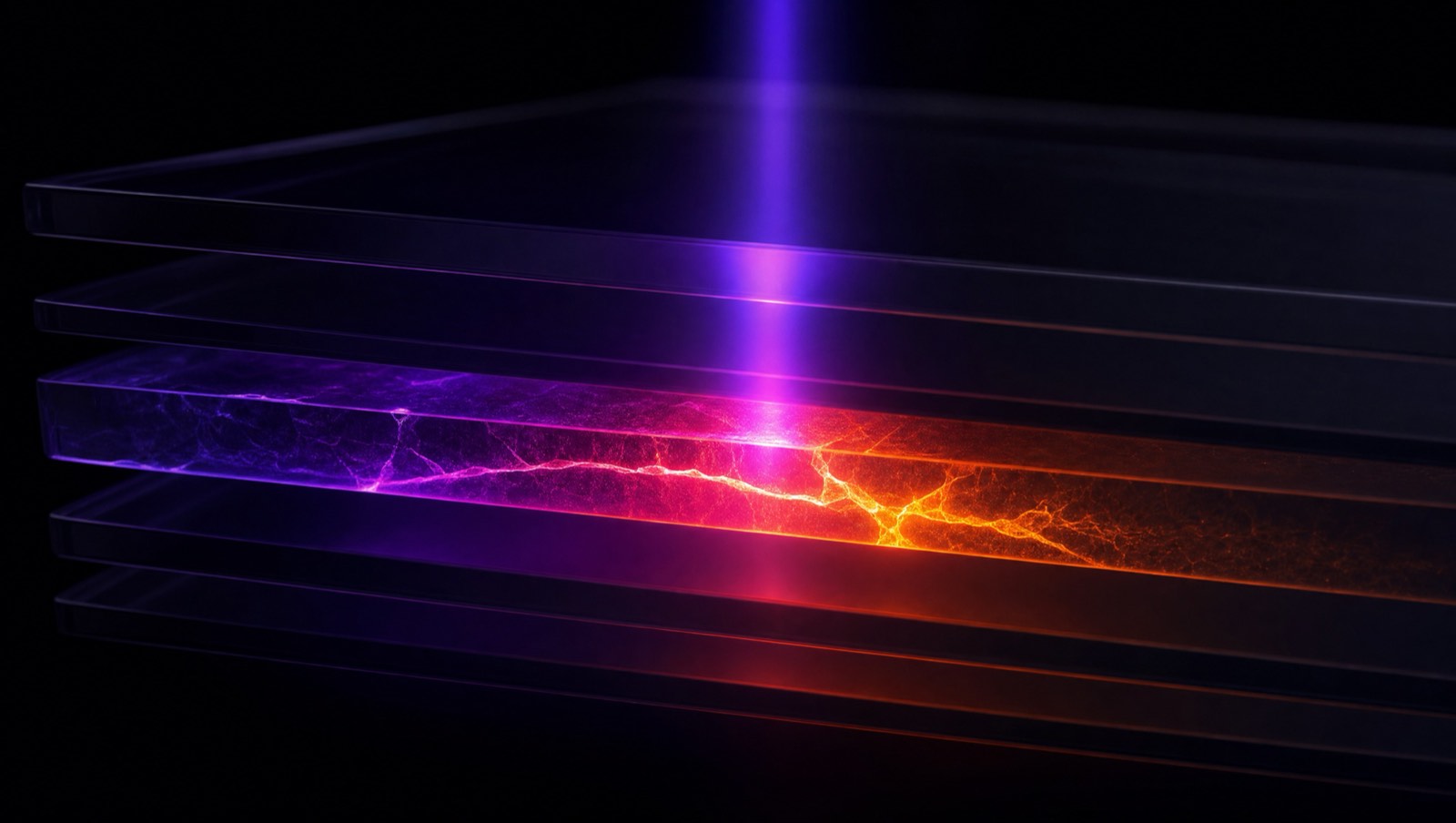
CNRT CodeLens
AI-driven source code vulnerability detection, trained on mission-critical repositories.
Read more →Fourteen federal programs, twelve years.
Major programs running with the Navy, the Air Force, DARPA, the Missile Defense Agency, Homeland Security and the Department of Energy, alongside Lockheed Martin and the national laboratories.
SBIR · TRL 3 Machine-learning discovery of high-entropy alloys Synopsis +
An automated screening campaign that searches high-entropy alloy compositions for high-temperature strength and oxidation resistance together, narrowing a very large candidate space down to a shortlist worth making and testing.
STTR II-A · TRL 6 Electrochemical recycling of electronic constituents of value Synopsis +
Recovers gold, copper and other constituents of value from electronic waste electrochemically and at room temperature. 25% higher recovery, 75% less chemical reagent, 30% lower water and electrical cost, and no toxic emissions. Commercialised as E-RECOV.
Idaho National Lab · Colt Refining
SBIR II · TRL 5 Real-time synthetic aperture radar simulator Synopsis +
A simulator that generates synthetic aperture radar imagery in real time, so detection and classification models can be trained and evaluated against scenarios that are impractical or too expensive to fly.
Lockheed Martin
Five offices, three continents.
A multifaceted operation. In government work you cannot be a single-focused company.
San Jose, California
Quantum Ventura Inc.
Carson City, Nevada
Operations
Dubai, U.A.E.
Quantum Guru · Unit R40, Burjuman
Tokyo, Japan
Distribution and support
Vancouver, British Columbia
Engineering
Consortiums and certifications.



Tell us the program
and the problem.
We reply from San Jose, usually within two working days.